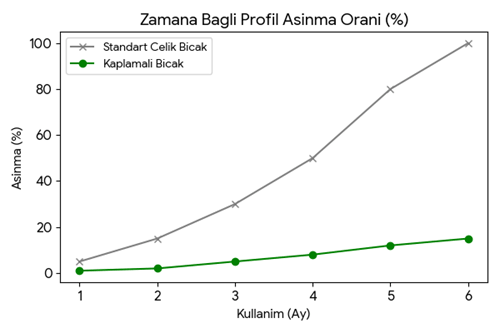
Causes of Wear in PVC Mixer Impellers and Quality Indicators
Causes and Symptoms of Wear in PVC Mixer Propellers
In factories producing plastic profiles, pipes, or cables, the performance of PVC turbo mixers determines the overall efficiency of the production line. However, mixer impellers operating at high speeds undergo physical deformation over time. The causes and symptoms of wear in PVC mixer impellers represent not just a mechanical problem, but a complex process that directly affects electricity consumption and process quality.
A worn blade doesn't just mean a reduction in profile thickness. The deterioration of the aerodynamic structure on the blade's surface completely alters the movement (vortex) of the material within the drum. Blades constantly colliding with abrasive filler materials at high speed begin to wear down, as if subjected to grinding.

Main Causes of Wear in Propellers
Friction is the number one cause of wear on PVC mixer blades. Inorganic fillers added to the formulation, such as calcium carbonate (calcite) and titanium dioxide (TiO2), are quite hard and have microscopic, angular structures. These materials strike the blade surface millions of times as the mixer rotates at high speeds such as 700-1100 RPM.
The second reason is the heat inside the boiler. The mixture, reaching 120°C - 130°C due to friction, subjects the metallurgical structure of the blade to continuous expansion and contraction. This thermal stress (thermal fatigue) reduces the surface resistance of the metal, creating a breeding ground for microcracks. Finally, pouring the material into the boiler in the wrong order or in a sudden burst can apply excessive torque to the blades, causing the blades to bend or the tips to break off.
|
Cause of Wear |
Physical Effect |
Risk Level |
|
Use of Calcite (CaCO3) |
Melting at the blade tips and angle of attack. |
Critical / Very High |
|
High RPM (Revolutions Per Minute) |
Cavitation and scratching on metal surfaces. |
High |
|
Thermal Fatigue |
Microcracks and hairline fractures on the surface. |
Middle |
|
Incorrect Feeding (Shock Load) |
Bending of the blades / Imbalance |
Sudden / High |
The most important sign of wear: Increased motor current.
You don't need to open the mixer and perform a physical check every time to determine if the blades are worn. If you have a background in automation and electrical maintenance, you can simply look at the current (Amperage) trends recorded by the mixer's PLC screen or controllers like the S7-1200. A worn blade loses its aerodynamic cutting ability. Instead of cutting through the air and material, it pushes the material. This dulling increases the resistance on the rotor shaft.
The motor draws more current from the grid to keep the material rotating. A formula that used to gel in 10 minutes and kept the motor at a maximum of 150 Amps will now start gelling in 15 minutes when the blades wear out, and the current will jump to 190-200 Amps. Shortened contactor lifespan in the main board and motor overheating are electrical signs of mechanical blade wear.

Quality Decrease and Process Lengthening
In addition to mechanical and electrical indicators, process quality also gives serious signals. If the time it takes for the mixture to reach the target temperature (gelation time) increases by a few minutes each week, it means your blade is not generating enough friction. Furthermore, the accumulation and hardening of material (burning/clumping) at the bottom of the tank indicates that the tips of the bottom scraper blades are worn and unable to lift the material from the bottom.
|
Signal / Indication |
Area to be Determined |
Potential Wear Site |
|
15-20% increase in motor amperage. |
Automation Screen / Driver |
The overall aerodynamic surface of the blades |
|
Material sticking to the bottom of the pot |
Inside the Boiler / Lower Section |
Lower scraper blade tips |
|
Mixing time extended by 25% |
Production Time (Stopwatch) |
Medium and upper blade attack angles |
|
Excessive vibration and noise |
Motor and Bearing Housing |
Asymmetrical wear on the wings (Balance) |
If you'd like to learn about the metallurgical methods used to prevent wear and tear and extend the lifespan of propellers by 3-4 times, you can read our article on Anti-Wear Coating Technologies for Turbo PVC Mixer Blades .
Frequently Asked Questions
Where can you first tell if the mixer's propeller is worn?
The clearest indication is the increased time it takes for the material to reach the desired temperature (mixing time) and the increased amperage drawn by the motor.
Can wear on the propeller burn out the engine?
It won't burn out directly, but the motor will overheat if it continuously operates at (or above) the upper limits of its rated current. If the protective relays don't activate, the motor windings can be damaged.
How long does it take for wear to begin in formulations with a high calcite content?
If the blade is made of standard stainless steel, significant wear can begin in as little as 3-4 months with high-calcite formulations.
Can a worn blade be repaired by welding?
Simple electrode welding disrupts the blade's balance. Specialized TIG or laser welding technologies are necessary for filling and subsequent dynamic balancing, but this won't be as efficient as a newly coated blade.
Can blade wear be seen on the automation control panel?
Yes, current PLC systems (e.g., S7-1200) plot the data they receive from current transformers as a trend. The gradual increase in the amperage curve is a clear indicator of mechanical wear.
Are the burnt areas at the bottom of the boiler caused by blade wear?
Mostly yes. When the lower scraper blade wears down, the gap (tolerance) between the drum and the blade increases. The material remaining there cannot participate in the circulation and is burned by friction.
Turbo Mixer Blades page to learn about OMMIX's specially designed mixer blades, manufactured to high tolerance standards and offering maximum resistance to wear .