Rotary Screen Machine | Industrial Powder Screening Systems | OMMIX
Ommix Powder Screening Systems
Industrial Material Screening Solutions
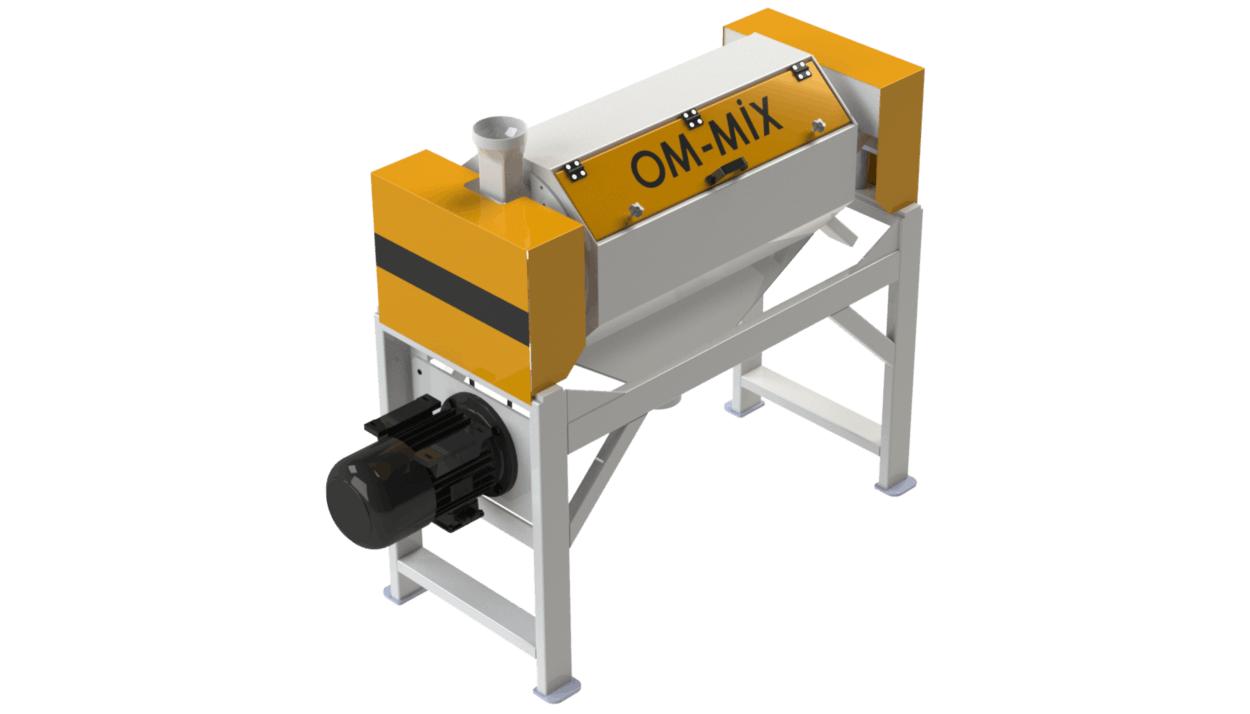
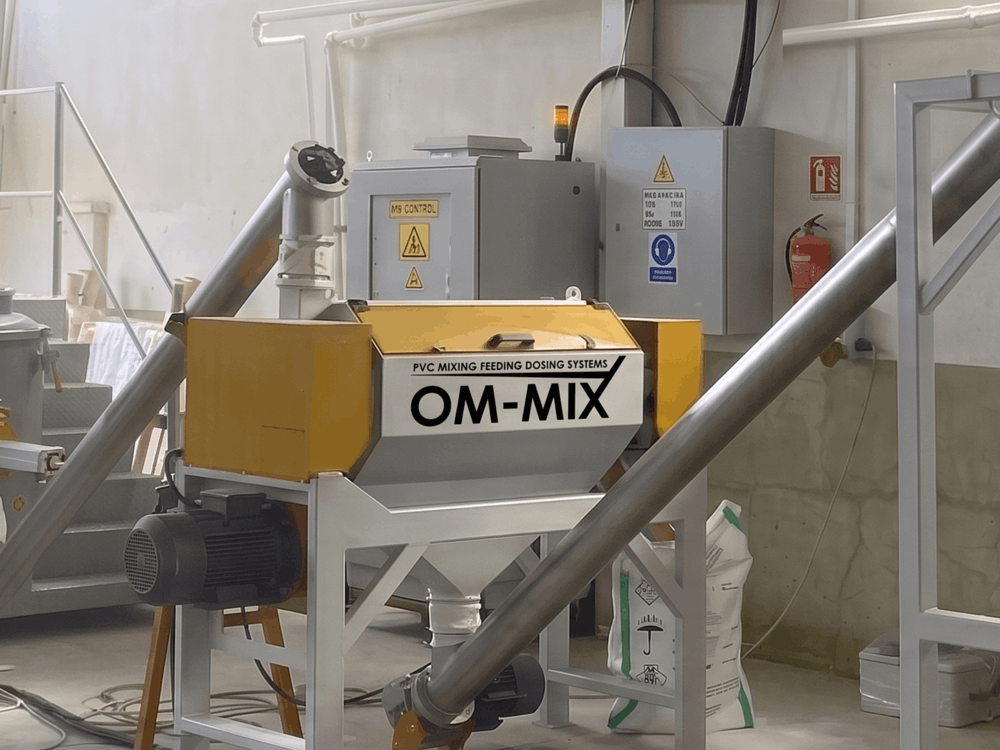
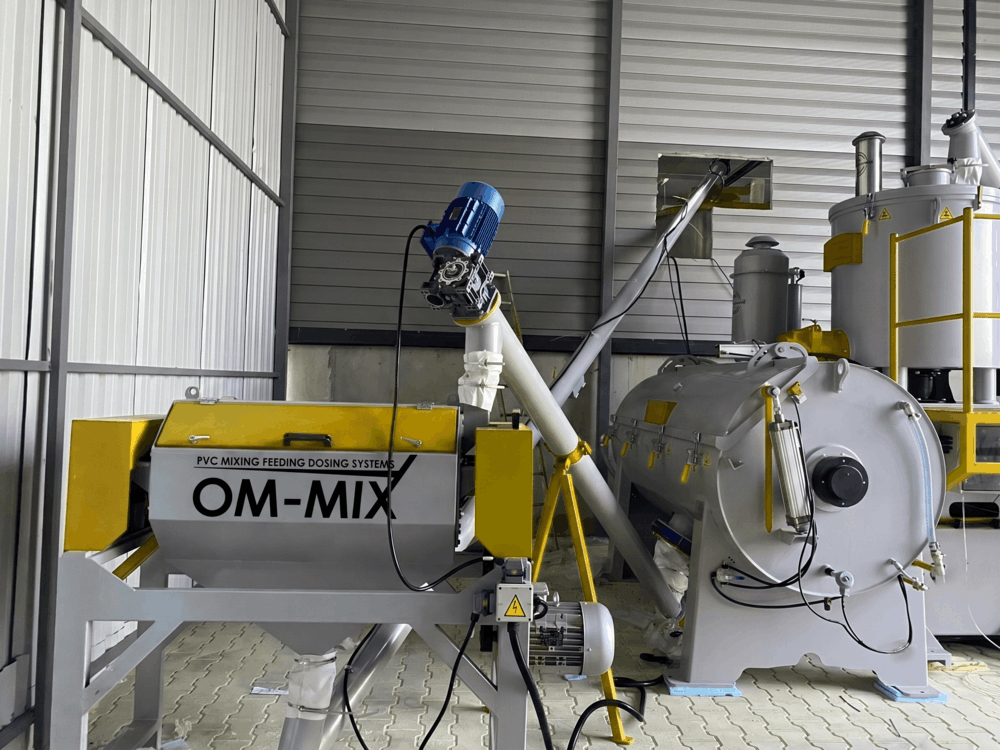
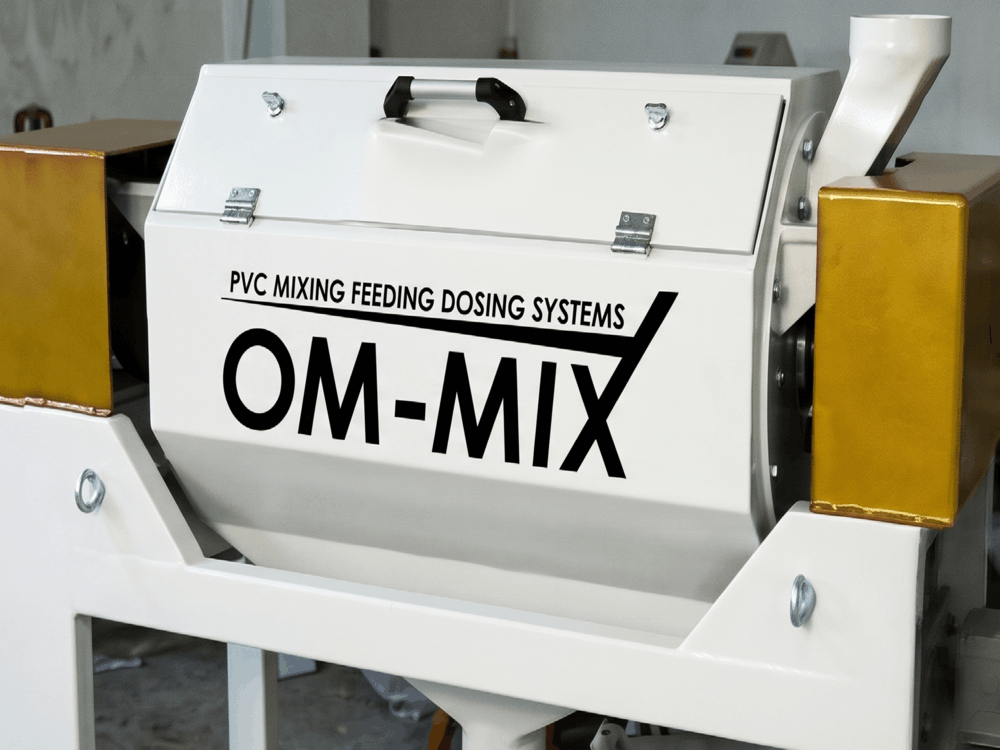
Ommix Powder Sieves are machines specifically designed for the precise sieving, separation, and classification of powders, granules, lumps, and foreign matter in industrial production processes. Our systems play a critical role in removing agglomerations that occur at PVC mixer outlets or foreign matter resulting from raw material quality, ensuring consistency in final product quality and maximum production efficiency. Our powder sieving machines, primarily drum-type sieves, operate with different sieving principles and offer continuous and automated operation.
What are Ommix Dust Screening Machines and How Do They Work?
Dust screening machines are mechanical systems used in industrial raw materials to remove unwanted particles, separate particles of different sizes (classification), or for quality control purposes. These machines remove agglomerations, foreign matter, or particles outside a specific size, directly affecting the final quality of the product, ensuring that only material of the desired purity and size passes to the subsequent stages of the process.
Drum-type powder sieves, also known as trommel sieves, are screening machines with a rotating cylindrical structure. The material fed into the sieve moves across the sieve surface due to the slow and continuous rotation of the drum. The inclined structure of the drum and the special fins inside ensure continuous mixing of the material and contact with the sieve wire. Powder or particles below the desired size pass through the sieve holes and are directed to the bottom outlet, while larger lumps, foreign matter, or unwanted particles remain on the sieve surface and are discharged as waste from a separate outlet at the end of the drum. This system offers continuous and high-capacity screening.
Optionally, if you wish to expand the scope, Ommix can also meet industrial needs with different powder screening solutions such as vibrating screens and custom-designed screening separators. Each screen type is specifically selected according to the type of material, particle size, and process requirements.
Advantages of Ommix Dust Sieves
Consistency and Continuity in Product Quality: By removing unwanted lumps, aggregates, or foreign matter from PVC formulations and other mixtures, we ensure that your final product quality remains consistently high.
Increased Production Efficiency: Homogeneous material flow after screening ensures efficient and uninterrupted operation of subsequent process machines (e.g., extruders), reducing the risk of malfunctions and blockages.
Reducing Raw Material Loss: Minimizes raw material waste by preventing the processing of materials with incorrect dimensions or containing foreign materials.
Operational Ease and Automation: Ommix powder sieves operate on an automatic and continuous principle. Thanks to PLC control systems, they can be easily monitored and managed.
Hygienic and Safe Working Environment: Thanks to its closed sieving system, it prevents dust from flying around, providing a cleaner and healthier production area.
Easy Maintenance and Long Service Life: Its robust and durable construction, easy screen replacement, and minimal maintenance requirements ensure years of trouble-free use.
Versatile Application: With different mesh sizes, it offers suitable solutions for various material types and particle sizes.
Applications of Ommix Dust Sieves
Plastics and Polymer Industry: Removal of lumps, slag, or unwanted particles from plastic granules and powders such as PVC, PE, PP, and PET; especially at PVC mixer outlets and recycling facilities.
Food and Grain Processing: The purification and classification of flour, sugar, spices, starch, grains, and other food products, removing foreign matter and lumps.
Chemical Industry: Calibration of chemical powders and granules, prevention of contamination, and ensuring purity.
Pharmaceutical and Cosmetics Industry: Screening and particle size control of products requiring high hygiene and precision (powdered medicines, cosmetic raw materials).
Mining and Aggregate Sector: Classification of mineral and aggregate materials such as coal, sand, gravel, and ore, and separation of impurities.
Recycling Facilities: Sizing and contamination separation of recycled materials (e.g., tire granules, plastic waste).
Construction Materials: Used to ensure homogeneity and remove lumps from building materials such as cement, calcite, gypsum, and lime.
Other Industrial Applications: All sectors that produce powder and granule-based products such as glass, ceramics, paint, fertilizers, metal powders, and rubber powder.
Frequently Asked Questions
What is a dust sieving machine used for and why is it important?
Dust screening machines are systems used in industrial production to optimize product quality, production efficiency, and raw material utilization by removing unwanted lumps, foreign matter, or particles of varying sizes from raw materials. This results in a homogeneous and high-quality product.
What are the advantages of drum-type powder screens?
Trommel sieves offer advantages such as high capacity, continuous and automatic operation, low energy consumption, easy maintenance, and compatibility with a wide range of materials. They are particularly effective in sieving materials containing lumps or foreign matter.
What types of materials can Ommix powder sieves screen?
Ommix powder sieves can sift PVC powder, granular plastics, flour, sugar, chemicals, minerals, metal powders, rubber powder, and various other powdered and granular industrial materials.
How easy is it to change the mesh wire?
Ommix powder sieves feature a user-friendly design that makes mesh replacement quick and practical. This allows you to easily switch between different mesh sizes and adapt to various needs.
How do dust screening machines reduce waste in production?
Dust screening machines separate lumps or foreign matter from raw materials, preventing these defective materials from passing through to subsequent production stages. This reduces the rate of defective production in the final product and significantly decreases raw material waste.